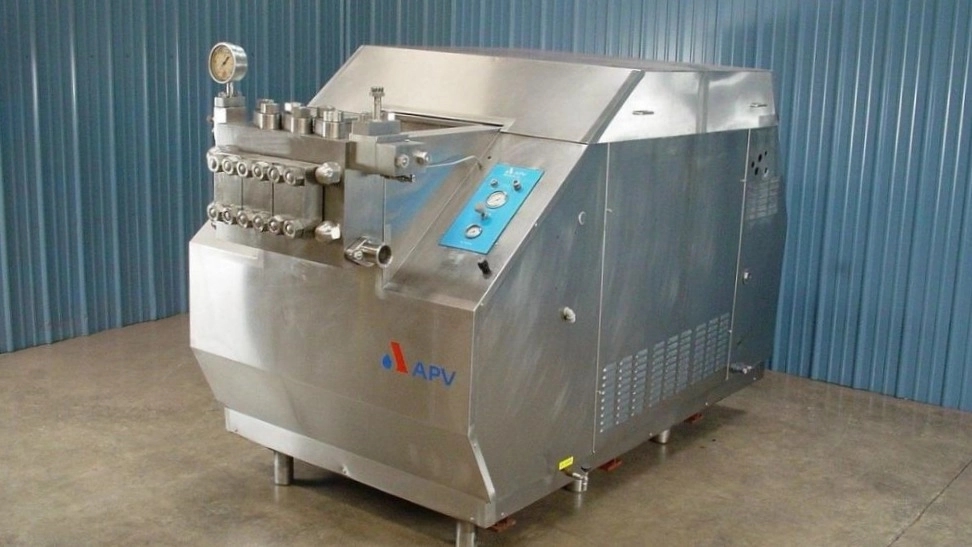
Why buying a second-hand homogenizer can be an economic choice?
What does a homogenizer do?
The most important points before buying a used homogenizer
1. Check the actual capacity of the device
- What is the volume of each batch?
- What is the viscosity of the product?
- What is the desired production speed?
- Is it a food, pharmaceutical, cosmetic or chemical product?
- Does the process require vacuum, heating or cooling?
- How much time is required for homogenization?
2. Take the engine and power transmission system seriously
3. Check the rotor and stator
4. Control the material of the parts in contact with the product
How is the price of a second-hand homogenizer determined?
How to distinguish a healthy used device from a high-risk sample?
What parts to check when buying?
- motor
- coupling
- shaft
- rotor
- stator
- seals and mechanical seals
- bearings
- valves
- reservoir
- control system
- panel Electricity
- inverter
- sensors
- connections
- heating or cooling system, if any
- pump and circulation path, in related models
For which industries is it suitable to buy a second-hand homogenizer?
Common mistakes in buying a used homogenizer
Why is expertise important before buying?
Checklist for buying a second-hand homogenizer
Buying a second-hand homogenizer or a new one; Which is better?
How to buy the right device?
Frequently asked questions about buying a used homogenizer
Is it cost-effective to buy a second-hand homogenizer?
What is the most important part when buying a used homogenizer?
How much is the price of a second-hand homogenizer?
Is the used homogenizer suitable for the food industry?
Is it possible to test the device before buying?
Where can we get advice to buy a second-hand homogenizer?